
LICENSED • BONDED • INSURED
SMOKE DETECTOR INSTALLATION & REPLACEMENT SAN FRANCISCO & BAY AREA
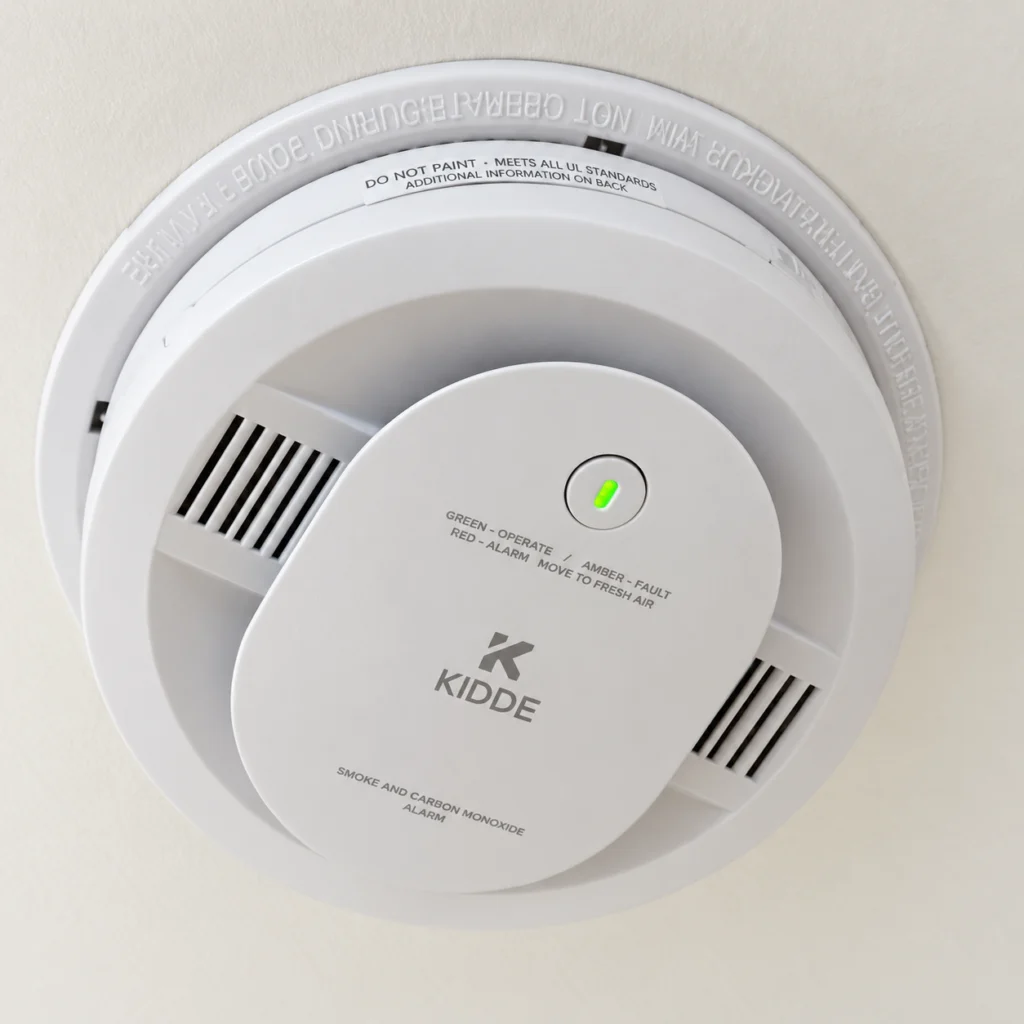
Professional smoke detector installation and replacement for San Francisco homes, condos, and rental properties. We help select compatible alarms, review placement, and check operation after installation.
Hardwired alarms • Battery-powered options • Smoke & CO combination units
Call to schedule a service visit
(628) 259-0072
OUR SERVICES
SMOKE DETECTOR SERVICES WE PROVIDE
From a single replacement to several alarms throughout the home, we explain the options and the work needed for your installation.
New Alarm Installation
Install suitable smoke alarms in existing homes, with device selection and placement reviewed for the property.
Smoke Detector Replacement
Replace aging, damaged, or unreliable alarms with suitable devices for the existing installation.
Hardwired Alarm Service
Review accessible power connections and replace compatible hardwired smoke alarms.
Battery-Powered Options
Install battery-powered alarms where appropriate for the property and applicable requirements.
Smoke & CO Combination Alarms
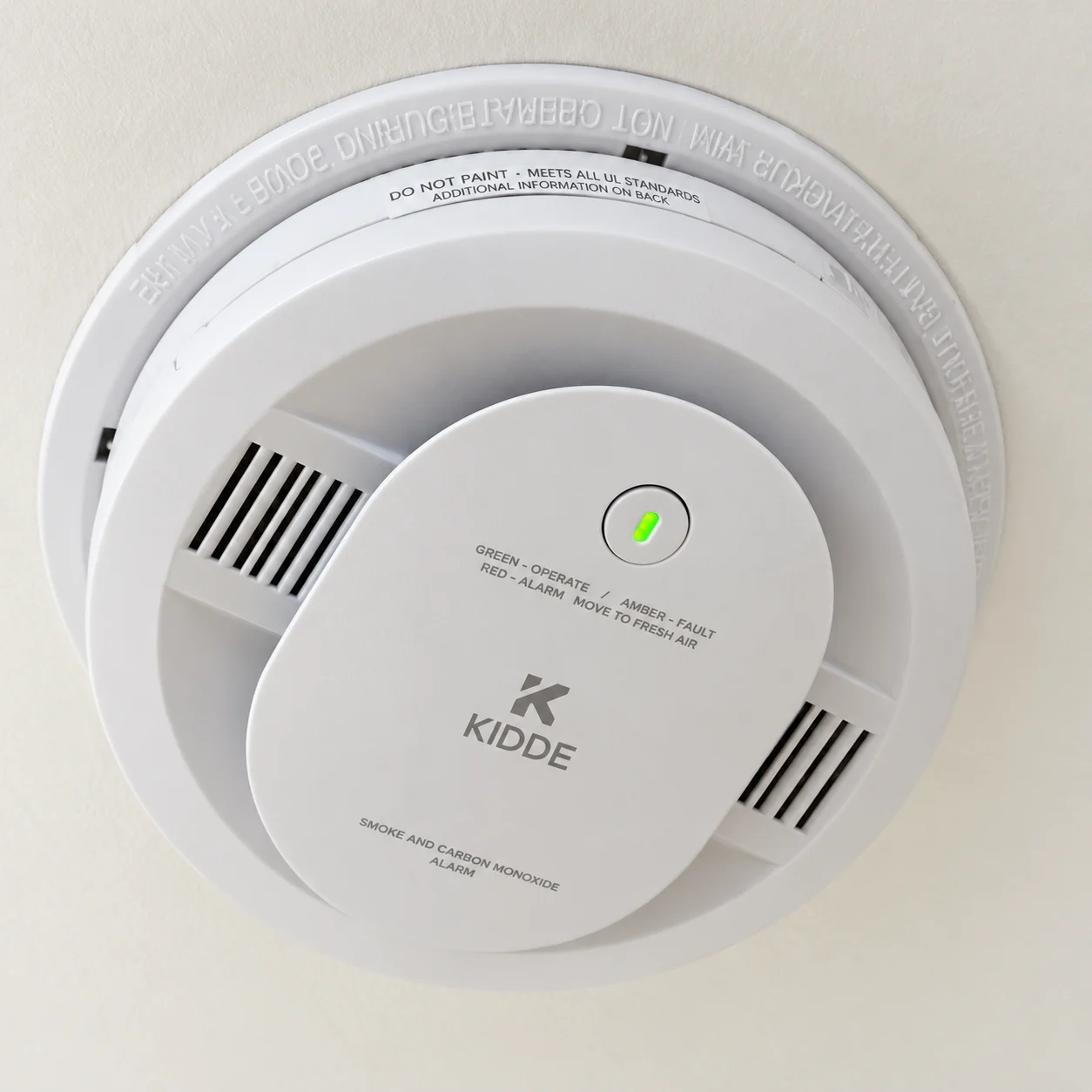
Install suitable combination units that provide both smoke and carbon monoxide detection.
Troubleshooting & Testing
Evaluate chirping, nuisance alarms, power concerns, and compatibility issues, then explain the next step.
WHEN TO REPLACE
WHEN SMOKE DETECTORS SHOULD BE REPLACED
Alarms have a limited service life. Replacing a battery does not extend the life of the alarm itself; combination smoke and CO units may have a different replacement schedule.
Age & Replacement Date
Smoke alarms should generally be replaced after 10 years. Check the device label and follow the manufacturer’s replacement instructions.
Failed Function Test
A device that does not respond to its test button needs prompt attention. We can help determine whether replacement is needed.
Repeated Chirping or Fault Signals
Chirping may indicate a battery, power, fault, or end-of-life condition. The meaning depends on the alarm model.
Damage or Heavy Contamination
Paint, damage, or accumulated contamination can affect an alarm. We review the condition and explain suitable replacement options.
ALARM OPTIONS
HARDWIRED VS BATTERY-POWERED SMOKE DETECTORS
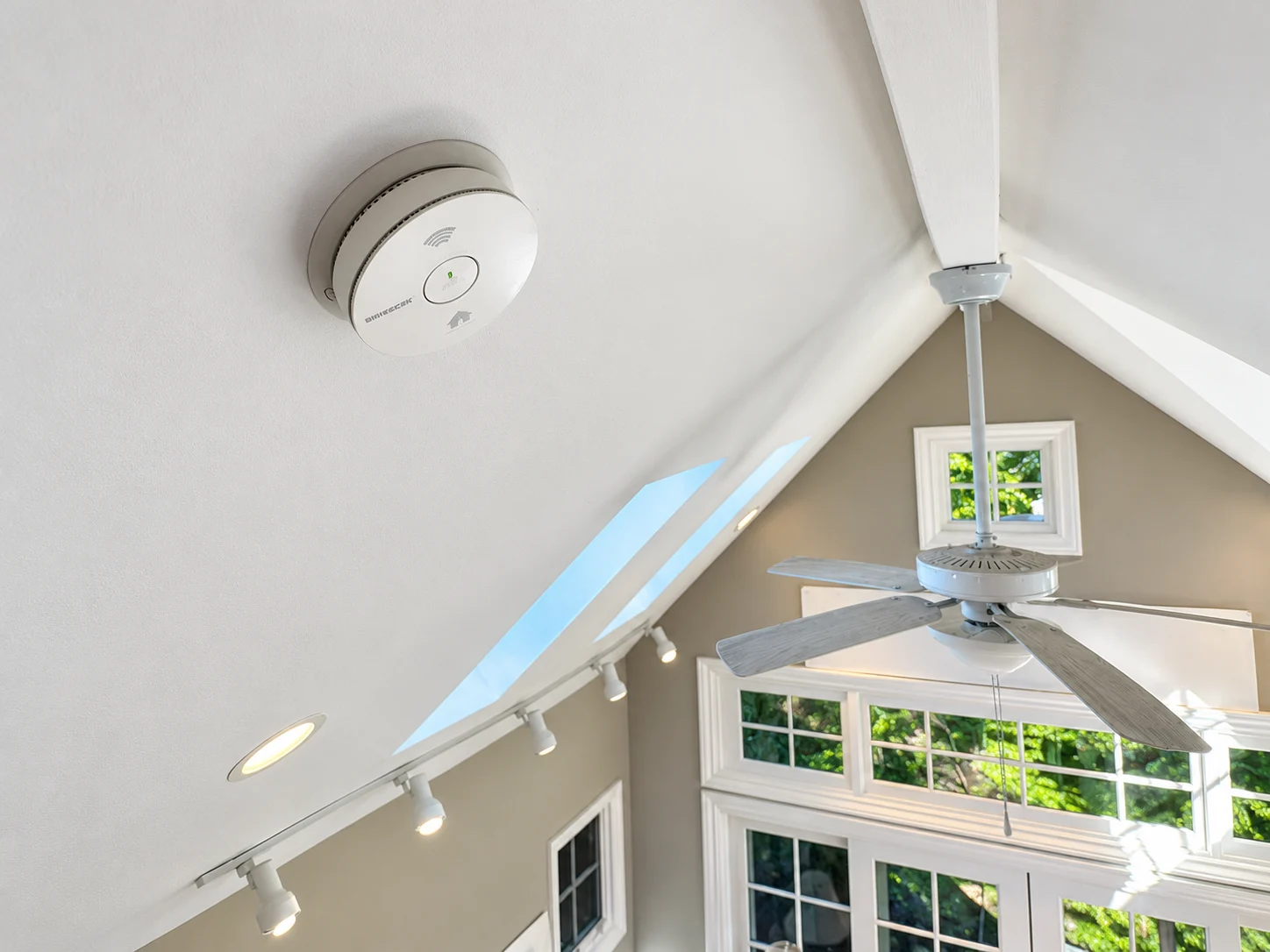
The best option depends on the existing system and the property. Matching the connector alone does not establish interconnection compatibility.
Hardwired Smoke Detectors
Connected to the home’s electrical supply, typically with backup power. Replacement units must suit the existing wiring and any interconnected alarm system.
Battery-Powered Smoke Detectors
Powered by replaceable or sealed batteries, depending on the model. Suitability depends on the property, installation requirements, and manufacturer instructions.
We check the relevant model information and explain whether existing alarms can be retained or should be replaced together.
PLACEMENT & COVERAGE
SMOKE & CARBON MONOXIDE DETECTOR PLACEMENT
We review smoke and carbon monoxide alarm locations against the home’s layout, the selected devices’ instructions, and applicable local requirements.
Sleeping Rooms
Smoke alarm coverage includes each bedroom. We review existing devices and the available installation locations.
Outside Sleeping Areas
Smoke alarms belong outside each separate sleeping area. CO alarm placement also needs review under the applicable instructions.
Every Level of the Home
Smoke alarm coverage includes every level, including the basement. We review the home’s layout and existing coverage.
Device-Specific Placement
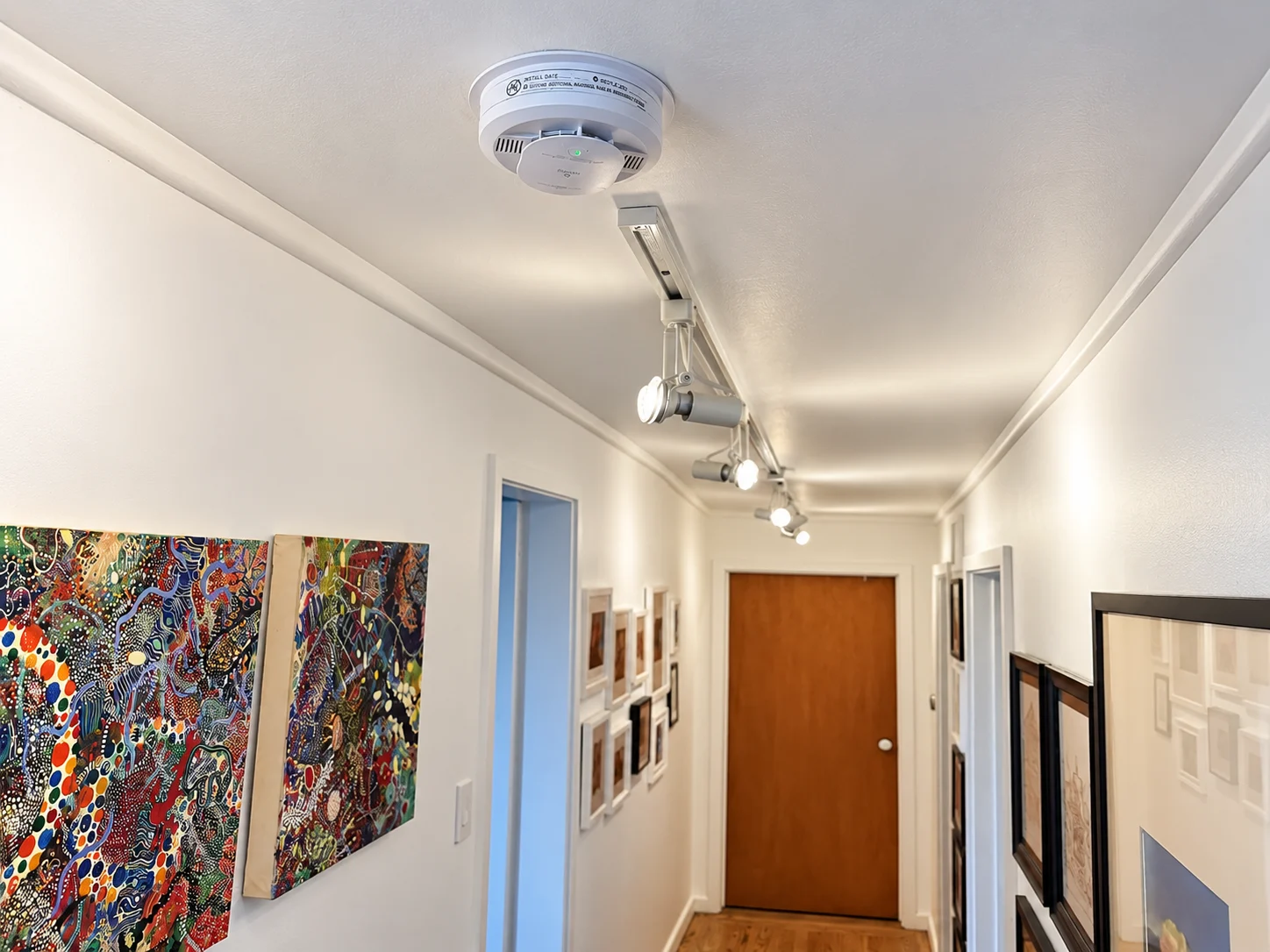
Ceiling shape, nearby airflow, cooking areas, and the device instructions affect suitable placement. CO alarms require their own placement review.
WHAT TO EXPECT
OUR INSTALLATION PROCESS
We keep the service visit clear and practical, from reviewing existing alarms to explaining the installed devices.
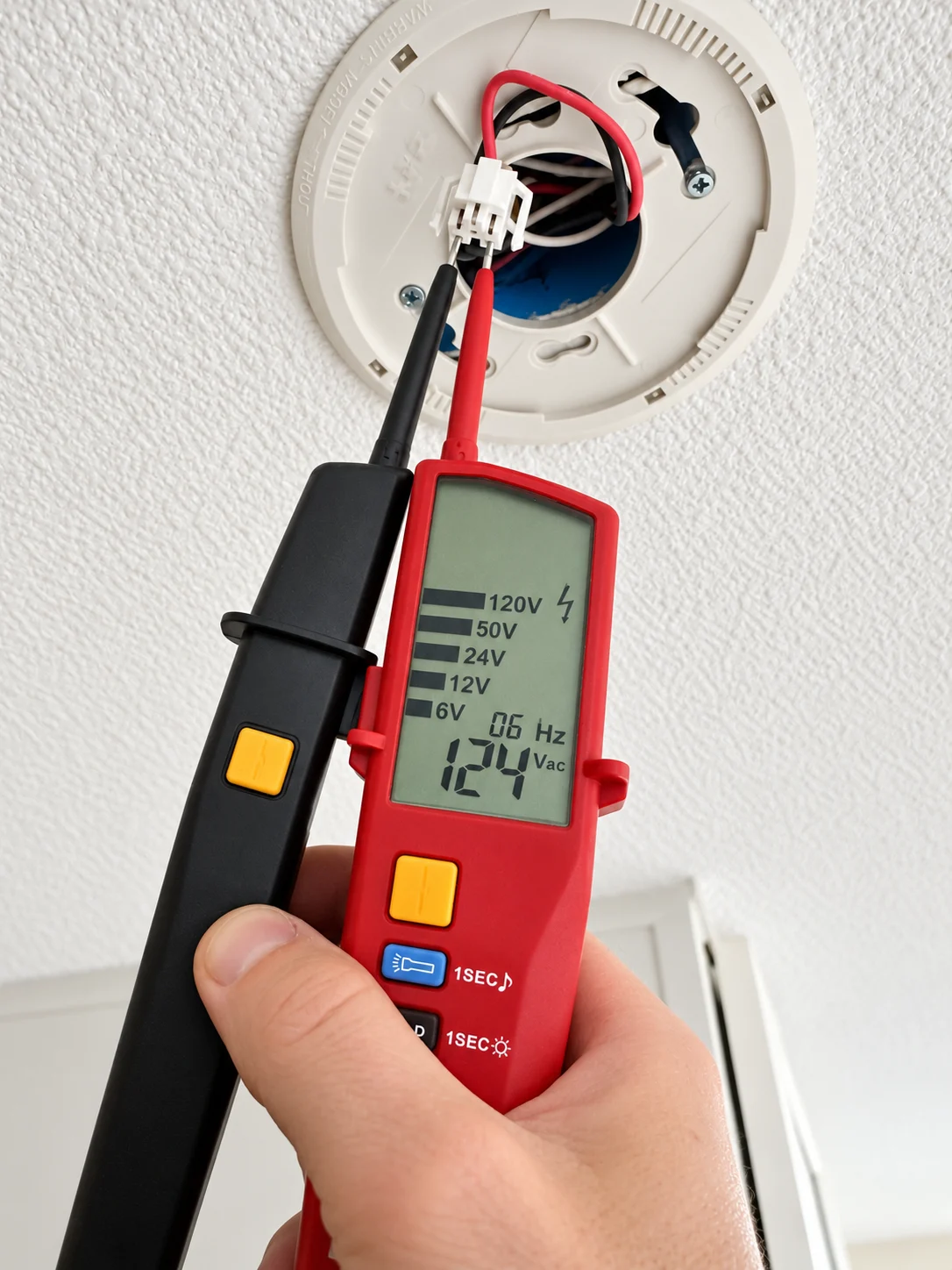
Review Your Existing Alarms
We discuss the service request, check alarm age and condition, and review accessible locations.
Confirm Suitable Devices
We check the selected models, power source, and compatibility with the existing alarm system.
Install or Replace
We complete the agreed installation or replacement work and secure the devices in suitable locations.
Test & Explain
We test the installed devices according to their instructions and explain routine testing and maintenance.
COMMON FINDINGS
COMMON PROBLEMS WE FIND
We explain what we find and recommend a practical next step based on the device and installation.
Expired or Unknown-Age Alarms
Alarms may be past their replacement date or have unreadable labels that make their age difficult to confirm.
Missing or Depleted Batteries
Backup or replaceable batteries may be missing, depleted, or unsuitable for the model.
Disconnected Devices
An alarm may be disconnected from power or removed from its mounting location.
Incompatible Replacement Units
Mixed models or brands may not support the existing interconnection system.
Nuisance Alarms or Fault Signals
Recurring alarms or chirps may relate to device condition, location, power, or end-of-life signals.
Gaps in Alarm Coverage
The home may be missing suitable alarms in important areas, or existing placement may need review.
ELC CONTRACTOR
WHY CHOOSE ELC CONTRACTOR
Licensed & Insured
Work with a licensed electrical contractor for installation and replacement work.
Clear Recommendations
Understand which alarms need attention, what the options are, and the proposed scope of work.
Compatibility Matters
We review the selected devices and existing system before completing replacement work.
Local Service
Serving homeowners and property owners in San Francisco and the surrounding Bay Area.
COMMON QUESTIONS
SMOKE DETECTOR INSTALLATION & REPLACEMENT FAQ
How often should smoke detectors be replaced?+
Smoke alarms should generally be replaced after 10 years. Check the label and manufacturer instructions; combination smoke and CO alarms can have different replacement intervals.
Can you replace an existing hardwired alarm?+
Yes. We review the existing device, accessible connections, and compatibility before selecting a suitable replacement.
Can I mix alarm brands or models?+
Do not assume different alarms can be interconnected. Compatibility must be confirmed using the manufacturers’ specified combinations.
Does chirping always mean a low battery?+
No. Chirping patterns can indicate a battery, power, fault, or end-of-life condition. Consult the instructions for the specific model.
Do you install combination smoke and carbon monoxide alarms?+
We can install suitable combination units and review their compatibility and placement for the property.
What affects the service price?+
The number of alarms, selected models, access, existing wiring, and the work required affect pricing. Contact us with photos and the service details.