
LICENSED • BONDED • INSURED
ELECTRICAL SAFETY INSPECTIONS
SAN FRANCISCO & BAY AREA
Professional electrical safety inspections for San Francisco homes, condos, and rental properties—identify hazards early, improve code compliance, and receive clear, practical recommendations from licensed electricians.
Panel & breaker review • Outlet & GFCI testing • Thermal imaging • Photo-based findings
- Call now for an inspection
- (628) 259-0072

Licensed
Safety-First Inspections
Professional reviews for homes, condos, rentals, and real estate decisions.
5★
Trusted by Bay Area homeowners
Bay Area
Local electrical safety reviews across San Francisco and the Peninsula.
5+
Professional EV charger installation team
WHEN TO SCHEDULE
Common Reasons Homeowners Request an Electrical Inspection
Some inspections are planned for real estate transactions, remodels, rentals, or insurance documentation. Others begin with warning signs such as tripping breakers, warm outlets, unusual smells, flickering lights, or an older electrical panel. In every case, our goal is the same: identify risks clearly and help you make confident decisions.
Billing or selling Property
Get a clear picture of safety issues and likely repair scope before negotiations or closing.
Remodels or New Circuits
Confirm the system can support upgrades and identify concerns that may affect the project path.
Breakers That Trip Often
Repeated trips can point to overloads, loose connections, faults, or aging equipment.
Warm Outlets or Odd Smells
These can be early warning signs. A prompt safety check can help prevent escalation.
Older Wiring or Aging Panels
Older San Francisco homes often have layered updates. We look for risky splices, damaged insulation, and outdated protection.
Landlord or Insurance Requests
Useful for documenting safety concerns and addressing common compliance-sensitive items.

We inspect accessible panel components, breakers, visible wiring, and connections for conditions that may affect safety or reliability.
Clear Priorities
We help separate urgent safety concerns from items that can be planned for later.
Practical Recommendations
If repairs or upgrades are needed, we explain the available options and the next practical step.
Straightforward Findings
We explain what we found in clear language so you can make informed decisions about your electrical system.
Safety-Focused Guidance
We highlight the electrical conditions that may affect safety or reliability and explain which items should be addressed first.
WHAT’S INCLUDED
WHAT WE CHECK DURING AN ELECTRICAL SAFETY INSPECTION
Every property is different, so the exact scope may vary. We focus on the electrical components and conditions most likely to affect safety, reliability, and everyday use.
Panel & Breaker Condition
We review the electrical panel, breakers, visible connections, signs of overheating, corrosion, loose components, and other conditions that may require attention.
Outlets, Switches & GFCI Protection
We check accessible outlets and switches for visible damage, loose devices, improper operation, and GFCI protection where applicable.
Visible Wiring & Connections
We evaluate accessible wiring, junctions, splices, and connection points for visible damage, deterioration, overheating, or improper repairs. may require attention.
Signs of Overload or Electrical Stress
We look for conditions such as frequently tripping breakers, warm devices, discoloration, unusual smells, or other signs that may indicate excessive load or electrical faults.
Older or Outdated Electrical Components
We identify older equipment and visible system conditions that may need further evaluation, repair, replacement, or upgrade.
NEED AN ELECTRICAL SAFETY INSPECTION?
WHAT TO EXPECT
HOW AN ELECTRICAL SAFETY INSPECTION WORKS
We keep the inspection process clear and straightforward. We review the accessible electrical system, identify visible concerns, explain what we find, and recommend practical next steps based on the condition of the property.
Initial Review
We start by discussing the reason for the inspection, any known electrical concerns, and the areas of the property that may need closer attention.
Panel & Breaker Inspection
We inspect the accessible electrical panel, breakers, visible connections, signs of overheating, corrosion, loose components, and other conditions that may affect safety or reliability.
Outlets, Switches & Visible Wiring
We check accessible outlets, switches, GFCI protection, wiring, junctions, and connection points for visible damage, improper operation, or signs of electrical stress.
Findings & Priorities
We explain what we found in clear language and help separate immediate safety concerns from items that can be monitored, repaired later, or included in a future upgrade.
Recommended Next Steps
If repairs or upgrades are needed, we explain the available options and the most practical next step for your electrical system.
Questions & Clarification
We answer your questions about the findings and clarify the recommendations, so you understand what needs attention and why.

- Licensed & Insured
- Clear Priorities
- Practical Recommendations
READY TO SCHEDULE?
Schedule an electrical safety inspection for your home, rental property, renovation, or general safety concern.
INSPECTION RESULTS & PRICING
WHAT YOU GET AND WHAT AFFECTS THE COST
Every inspection is different. We explain what we find, help you understand the priorities, and price the visit based on the scope, property, and level of testing required
WHAT YOU GET
Clear Findings
We explain the condition of the accessible electrical system in clear language and point out the items that may need attention.
Priority Recommendations
We help separate immediate safety concerns from repairs or upgrades that can be planned for later.
Practical Next Steps
If additional work is recommended, we explain the available options and the most practical next step.
WHAT AFFECTS PRICING
Property Size & Access
Larger properties, multiple panels, detached structures, or limited access may require more inspection time.
Inspection Scope
A general safety review, property evaluation, or targeted electrical concern may require a different level of testing.
System Complexity
Older wiring, previous renovations, outdated equipment, or unusual electrical conditions may require additional evaluation.

WANT TO KNOW THE EXPECTED COST?
Send us a brief description of the property and the reason for the inspection. Photos of the electrical panel or the area of concern can help us understand the expected scope of the visit.
WHEN TO SCHEDULE
COMMON REASONS TO SCHEDULE AN ELECTRICAL SAFETY INSPECTION
Electrical inspections can be useful before a property transaction, renovation, insurance review, or when you notice warning signs such as tripping breakers, warm outlets, unusual smells, flickering lights, or aging electrical equipment.
Buying or Selling a Property
Get a clearer picture of the electrical system before negotiations, closing, or planning future repairs.
Renovation or New Electrical Work
Review the existing electrical system before adding new circuits, equipment, appliances, or other electrical loads.
Breakers That Trip Repeatedly
Frequent breaker trips may indicate overloads, loose connections, equipment problems, or other electrical concerns that should be evaluated.
Warm Outlets, Burning Smells or Flickering
Heat, unusual odors, discoloration, or flickering can be warning signs of an electrical problem that needs professional attention.
Older Wiring or Aging Electrical Panels
Older electrical systems, previous renovations, and outdated equipment may benefit from a professional safety review.
Landlord, Insurance or Property Documentation
An inspection can help document visible electrical conditions and identify concerns that may need repair or further evaluation.
CODE & SAFETY
WHAT ELECTRICAL CODE COMPLIANCE MEANS IN PRACTICE
Electrical code requirements help reduce predictable safety risks and support reliable electrical systems. During an inspection, we look for visible conditions that may not meet current safety expectations or that may need correction before future electrical work.
HOW WE HELP
Identify Common Code-Sensitive Issues
We look for visible concerns involving outlets, GFCI protection, panel conditions, wiring methods, and other accessible electrical components.
Explain What Needs Attention
We help distinguish between immediate safety concerns, recommended corrections, and improvements that may be planned for later.
Prepare for Future Electrical Work
If repairs, upgrades, or permitted work are planned, we can explain which existing conditions may need to be addressed first.
Understand the Review Scope
The review focuses on accessible electrical components and visible conditions. Areas that cannot be accessed may need further evaluation.
A PRACTICAL EXAMPLE
GFCI protection, outlet condition, and proper device placement are common examples of safety-related items we review, especially in kitchens, bathrooms, garages, outdoor areas, and older homes.
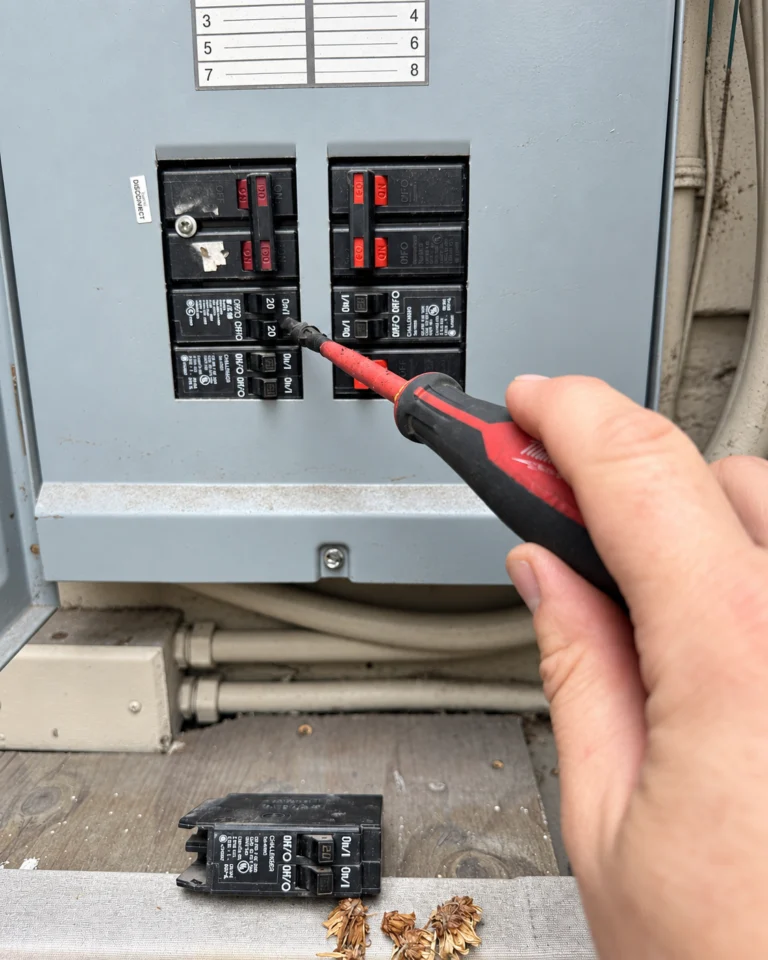
Breaker and panel testing can help identify visible wear, improper operation, loose components, or other conditions that may require further electrical evaluation.
Schedule an Inspection
COMMON FINDINGS
COMMON ELECTRICAL ISSUES WE MAY FIND DURING AN INSPECTION
Not every property has electrical problems, but when concerns are present, they often involve connections, aging equipment, damaged devices, improper wiring, or signs of excessive electrical load.

Loose or Overheated Connections
Loose terminals and deteriorated connections can create heat, intermittent power, or other reliability concerns.
Damaged Outlets or Switches
Worn, loose, discolored, or damaged devices may indicate overheating, poor connections, or normal age-related wear.
Aging or Outdated Electrical Equipment
Older panels, breakers, and other components may need further evaluation based on their condition, capacity, and reliability.
Improper Splices or Open Junctions
Improper connections or exposed junctions can create safety concerns and may require correction.
Missing GFCI or Weather Protection
Wet or outdoor locations may require additional protection depending on the installation and current electrical requirements.
Signs of Overload or Circuit Stress
Frequent breaker trips, warm devices, discoloration, or unusual electrical behavior may indicate excessive load or another circuit problem.
SCOPE OPTIONS
CHOOSE THE INSPECTION SCOPE THAT MATCHES YOUR GOAL
Not every property needs the same level of evaluation. We can keep the inspection focused on a specific concern or expand the scope when a broader electrical review is more appropriate.
General Electrical Safety Review
A broad review of accessible electrical components, panel condition, outlets, switches, visible wiring, and common safety concerns.
Troubleshooting-Focused Inspection
Best when the visit is prompted by a specific concern such as tripping breakers, warm outlets, flickering lights, or intermittent power.
Home Purchase or Sale Review
Focused on helping buyers or sellers better understand the visible condition of the electrical system before a transaction.
Rental or Property Documentation
A practical review for landlords or property owners who need to document visible electrical conditions or identify items that may need attention.
Renovation or Upgrade Planning
Useful before adding new circuits, appliances, EV charging, HVAC equipment, or other electrical loads.
Targeted Area Review
A focused inspection of a specific panel, circuit, room, garage, exterior area, or other part of the electrical system.
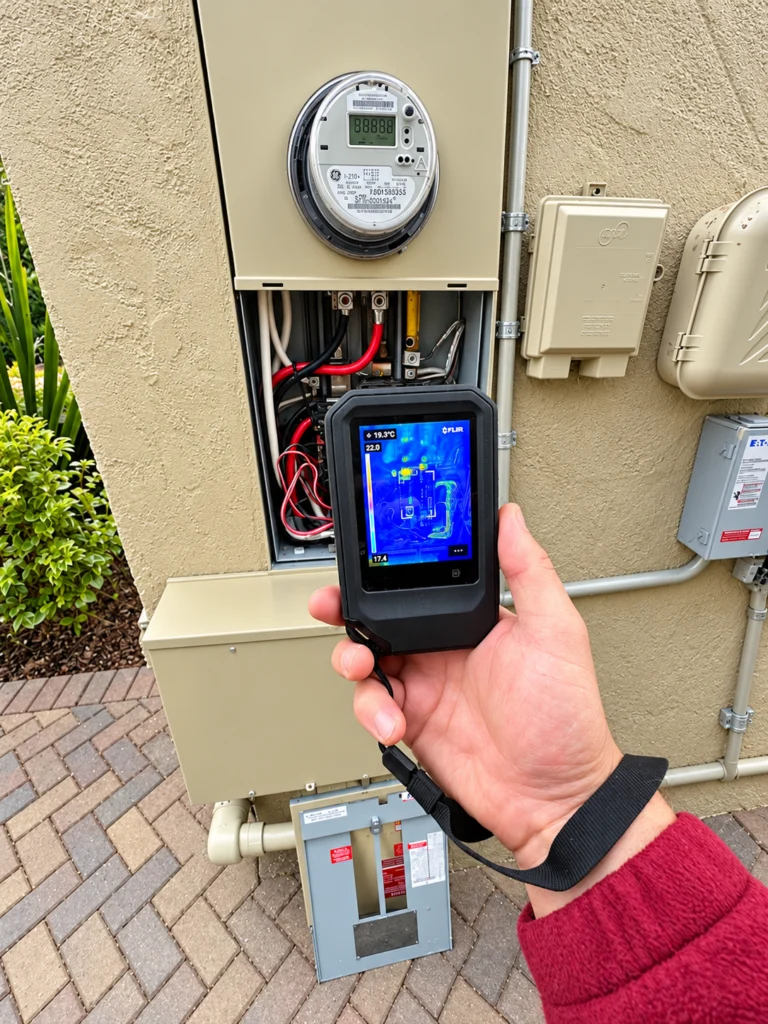
Thermal imaging can help identify unusual heat patterns in electrical equipment that may indicate loose connections, overloaded components, or other conditions requiring further evaluation.
ELECTRICAL SAFETY INSPECTION FAQ
What is included in an electrical safety inspection?
We review accessible electrical components such as the panel and breakers, outlets, switches, GFCI protection, visible wiring, connections, and other conditions that may affect safety or reliability.
When should I schedule an electrical safety inspection?
An inspection may be useful when buying or selling a property, planning renovations, evaluating an older electrical system, responding to insurance or landlord requirements, or investigating warning signs such as frequent breaker trips, warm outlets, flickering lights, or unusual odors.
How long does an electrical safety inspection take?
The time required depends on the size of the property, number of electrical panels, accessibility, system condition, and the scope of testing requested.
Do I need to be home during the inspection?
Please make sure the electrical panel and the areas you want inspected are accessible. If you have photos, previous electrical reports, or specific concerns, you can share them with us before the visit.
Can you perform an inspection before buying or selling a property?
Yes. We can review accessible electrical components and help identify visible concerns that may be useful when evaluating a property before a purchase or sale.
Can you make repairs after the inspection?
Yes. If the inspection identifies electrical issues that need repair or replacement, ELC Contractor can discuss the recommended work and provide the next steps.
Do you inspect condos or shared electrical areas?
Yes. We can inspect accessible electrical components within condos and, when access is available, evaluate shared electrical areas that are relevant to the property.
Can you inspect an older home or electrical panel?
Yes. Older homes and electrical systems are common reasons for scheduling an inspection. We evaluate accessible equipment, visible wiring, panel condition, and other signs of aging, deterioration, or previous electrical work.
Do you use testing equipment during the inspection?
When appropriate, we use professional electrical testing equipment to help evaluate circuit conditions, electrical components, and possible signs of overheating or other electrical concerns.
What happens if you find an electrical problem?
We explain what we found, which items may need prompt attention, and which repairs or upgrades can be planned for later. If additional electrical work is recommended, we can discuss the available options and next steps.
How much does an electrical safety inspection cost?
Pricing depends on the property size, inspection scope, system complexity, accessibility, and whether targeted testing or troubleshooting is required. Contact us with a brief description of the property and the reason for the inspection so we can determine the expected scope.
CUSTOMER REVIEWS
Trusted by Bay Area Homeowners
See what Bay Area homeowners say about ELC Contractor on Google, Yelp, and Thumbtack
By providing your phone number you consent to receive SMS messages from ELC Contractor regarding appointment confirmations, service updates, technician arrival notifications, and estimates.
Message frequency varies. Message and data rates may apply.
Reply STOP to opt out or HELP for assistance. See our Privacy Policy for details.
REQUEST INSPECTION
SERVICE AREA
ELECTRICAL SAFETY INSPECTIONS Across the Bay Area
- San Francisco
- Daly City
- Brisbane
- South San Francisco
- Pacifica
- San Bruno
- Millbrae
- Hillsborough
- Burlingame
- San Mateo
- Foster City
- Belmont
- San Carlos
- Redwood City
- Woodside

Licensed electrical contractor in San Francisco specializing in electrical panel upgrades, EV charger installation, electrical troubleshooting, rewiring, lighting installation, and residential & commercial electrical services across the Bay Area